Piano Teaching 02|What is "Hanon"? Do piano players have to learn it?
What is "Hanon"?
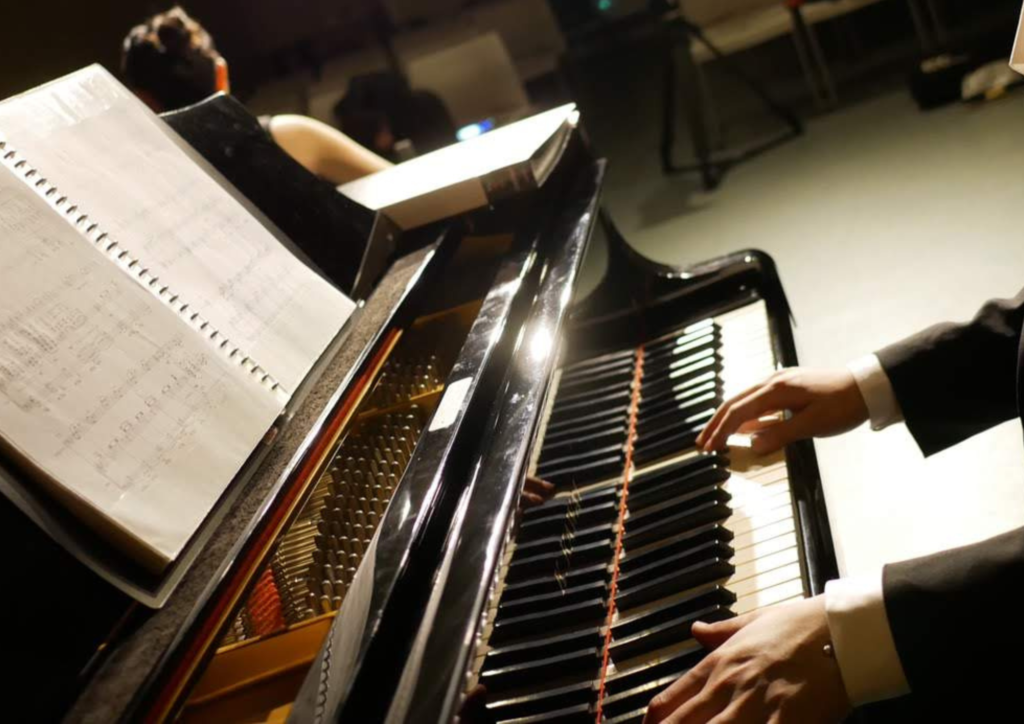
Hanon Finger Exercises is a set of piano etudes published by French composer and piano teacher Charles-Louis Hanon in 1873. The full name is "The Virtuoso Pianist in 60 Exercises" (The Virtuoso Pianist in 60 Exercises) . There are 60 etudes in this set, each of which is composed of simple notes and intervals. There is no melody or harmony, no expressions or dynamic marks, and it is just a simple practice of finger movement and speed. Its purpose is to develop piano players' finger strength, flexibility and speed, as well as improve finger coordination and independence.
This textbook is divided into three parts:
The first section (Nos. 1 – 20) is the most well-known and focuses on finger independence, wrist flexibility, building finger strength and flexibility, and improving the ability to play glissandos and staccatos.
-Suitable for players of all levels, from beginner to advanced.
Part Two (Nos. 21 – 43) emphasizes finger strength and endurance, as well as improving the player’s ability to play quickly and accurately.
-SuitableIntermediate to advancedplayBy.
Part Three (Nos. 44 – 60) focuses on technique and finger flexibility and is designed to help learners develop technique and finger flexibility, improving their ability to play complex and challenging repertoire.
-Suitable for advancedplayBy.

Do piano players have to learn "Hanon"?
There is no standard answer to this question. However, practicing Hanon can help piano players improve their technique and musicality.
However, this does not mean that all players must learn Hanon, and players can choose the repertoire according to their own interests and goals.
The following explains the benefits of practicing Hanon:
1. Long-term finger running
The pieces played by beginners are generally shorter and involve less concentrated finger movement. Therefore, it is difficult to fully practice the running ability of the fingers without careful selection of songs. And finger running training is extremely important: it can exercise the strength and endurance of the muscles in our hands. Without strong muscle groups in your hands, your hands will lack flexibility. And if you practice for a long time or play slightly difficult music, your hands will become sore or lose control.
2. There is less need to read music and you can concentrate on the technical details.
Many beginners are in a hurry when playing music and rarely pay enough attention to technique. The patterned exercises in "Hanon" allow beginners to focus on technical standards and solve technical problems.
3. Balanced development of left and right hands
Most of the songs practiced by beginners do not have high requirements on the left hand. If they only play those songs, it may lead to an imbalance in the technical development of the left and right hands. Technical training materials generally emphasize the left and right hands equally.

The following explains the challenges you will encounter when practicing Hanon:
1. Get used to mechanical practice methods
When practicing Hanon, listen to the timbre and confirm whether the muscles are relaxed, so as to avoid the mechanical practice when practicing other pieces, without timbre and emotion.
2. Mastering sight-reading ability and strength
Since the sound patterns are repeated and there are no strength and weakness marks on the music score, if you just follow the music score and practice mechanically, your improvement in sight-reading and dynamics will be very limited.
*Finger exercises are important, but overuse or incorrect posture can lead to hand fatigue, pain, and even injury. It is recommended that you rest your hands regularly during practice to avoid injury!
