Piano Teaching 01|What are the correct hand shapes and sitting postures?
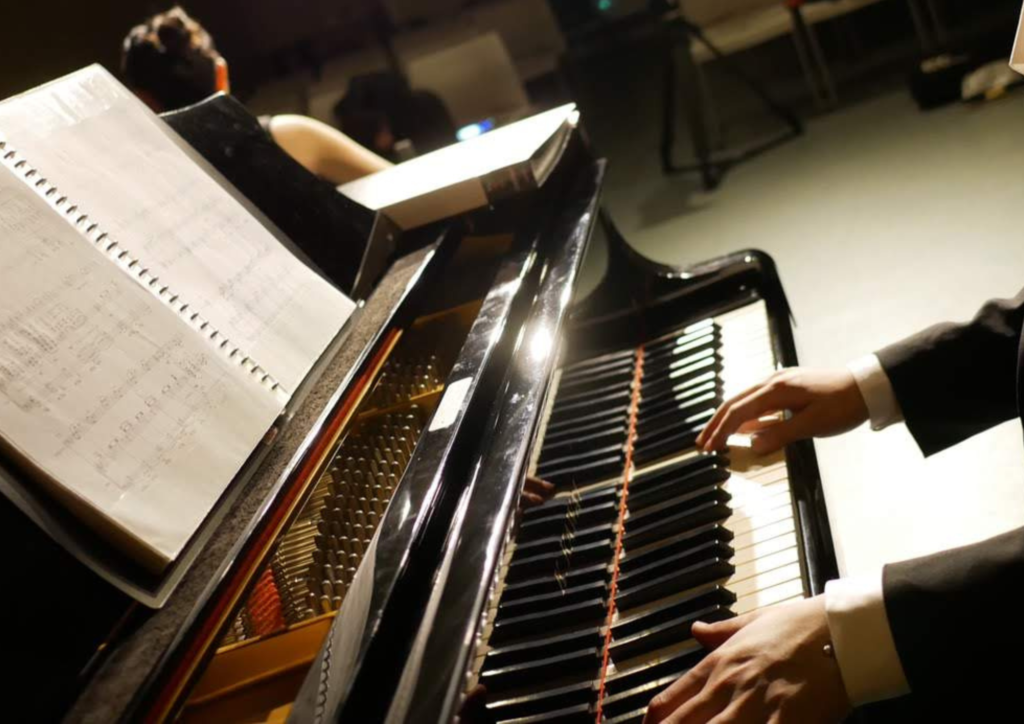
The biggest problem that all piano learners will encounter at the beginning is simply "hand shape". From the way your fingers touch the keys to your sitting posture, it will affect the sound of the piano. The correct posture can make it easier for the whole body's strength to be transferred to the fingertips, and have better musicality when interpreting music; the wrong posture can make playing more difficult and even lead to permanent injury.
This article covers all aspects of correct playing posture. You can review this article from time to time to correct and adjust your posture when practicing.
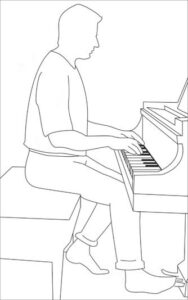
1. Sitting posture
1. Keep your back straight and your shoulders relaxed.
Sit about 1/3 to halfway up the piano chair,
In this way, it will be easier for the whole body's strength to be concentrated on the hands instead of the back when playing the piano.
2. Both feet should be able to touch the ground.
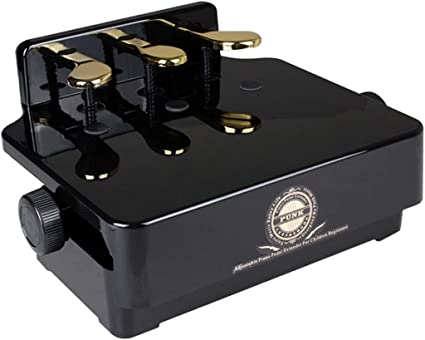
If the children at home cannot step on the ground, they can step on a small stool; if there is a need to step on the pedals, a piano auxiliary pedal (Piano Pedal Extender) will be a better choice, which can solve the problem of children not being able to step on the pedals.
2. Hand shape
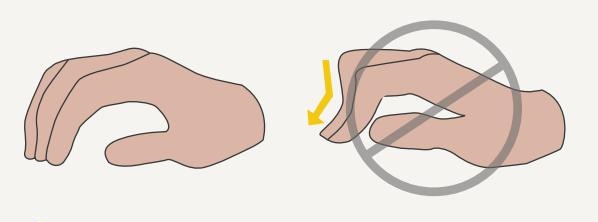
1. Keep your thumb naturally straight, keep your fingers arched and relaxed, and do not bend your fingers.
(Broken fingers will make it difficult to play fast tone groups, make it impossible to move flexibly, and may even cause joint injuries.)
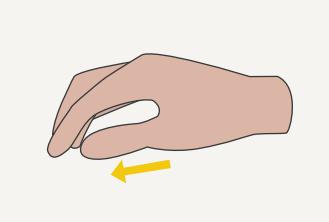
2. Don’t shake your wrist
Using your wrist to move your fingers will make it difficult to control the volume. When you practice fast tone groups, you will also be unable to move quickly, making it difficult to play evenly.
3. Arms and elbows
If you can't master how to relax, try hanging your arms by your sides. This is the most relaxed state.
Keep your elbows a certain distance from your body and extend outward naturally. (not close to the body)
In addition to preventing injuries, correct playing posture can also extend the practice time, reduce fatigue, and enjoy music more easily!